
Logo

Structural BIM Modelling - Engineer Confidence Into Every Element

The structural framework forms the backbone of every building project, and accurate digital representation is essential for safe, efficient construction. AJ Digital's structural BIM modelling services deliver precise, coordinated Revit models of structural elements that support confident engineering design and seamless coordination with architectural and MEP systems.

Get in touch today for a free consultation


Engineered for coordination: Our structural BIM modelling approach

As part of our comprehensive 3D modelling services, our structural BIM modelling expertise gives structural engineers and steel fabricators the reliable digital information they need for confident design, fabrication, and installation, while supporting early identification of clashes before any materials are ordered or installed.

What is structural BIM modelling?

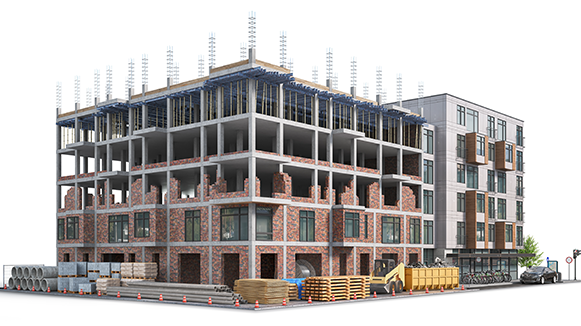
Structural BIM modelling is the process of creating detailed, intelligent 3D representations of a building's load-bearing framework using Autodesk Revit. These models include all structural components such as foundations, columns, beams, bracing, floor slabs, and roof structures, along with critical engineering data including member sizes, material grades, connection types, and load capacities. 

Why structural BIM modelling matters

Structural elements cannot be easily modified once installed, making coordination errors particularly costly and dangerous. Our structural BIM modelling services identify conflicts between structural members and architectural features, MEP penetrations through beams and slabs, and space constraints for connections and temporary works before fabrication begins. 

Unlike traditional 2D structural drawings, BIM structural modelling provides a coordinated digital representation that supports clash detection with other disciplines, enables accurate fabrication drawings, and ensures constructability before work begins on site.

Our structural BIM modelling process

We work directly with structural engineers and their design calculations to create accurate Revit models that represent the complete structural framework. Our team models all structural elements including foundations and ground beams, columns and vertical supports, primary and secondary beams with connection details, floor slabs and roof structures, and bracing systems and lateral stability elements.

Throughout development, we coordinate the structural model with architectural and MEP systems, identifying clashes and spatial conflicts that need resolution. We work closely with steel fabricators and concrete contractors to ensure models contain the information they need for shop drawings, setting-out, and installation. 

All structural BIM modelling services are delivered in compliance with UK structural standards and BIM protocols, with comprehensive documentation that supports confident construction and future asset management.

The key benefits of structural BIM modelling

Early clash detection

Identify conflicts between structural elements and other building systems during design, preventing costly modifications during fabrication or installation.

Support fabrication workflows

Accurate models with detailed connection information enable steel fabricators and precast concrete suppliers to produce precise shop drawings and components.

Plan installation with confidence

Coordinated structural models help contractors plan installation sequences, temporary works, and site logistics with confidence in spatial accuracy.

Why choose AJ Digital for structural BIM modelling?

Our structural BIM modelling team understands both engineering principles and construction practicalities, creating models that serve the entire project team from design through to installation. We work collaboratively with structural engineers to ensure design intent is captured accurately, while considering the needs of fabricators and contractors who will use the model for construction.

Engineering knowledge: Our modellers understand structural behaviour, connection design, and construction sequences, not just software functionality.

Fabricator-ready models: We include the level of detail that steel fabricators and concrete contractors need for accurate shop drawings and installation planning.

Multi-material expertise: Experience modelling steel frames, concrete structures, timber construction, and hybrid systems across diverse project types.

Proactive coordination: We identify and flag potential clashes with architectural and MEP elements early, supporting smooth resolution before fabrication begins.

  • What does a structural BIM model include?

    A structural BIM model is a detailed 3D digital representation of a building's load-bearing framework, built in Revit. It includes foundations, columns, beams, bracing systems, floor slabs, and roof structures, each modelled with accurate member sizes, material grades, and connection details. Unlike a structural drawing set, the model is intelligent, every element carries data that can be used for clash detection, quantity take-offs, fabrication planning, and coordination with architectural and MEP disciplines.

  • Why is structural coordination in BIM particularly important?

    Structural elements are among the least forgiving to modify once installed. A beam in the wrong position, or a slab at the wrong level, can have significant knock-on effects across every other discipline on a project, and corrections mid-construction are expensive, disruptive, and sometimes structurally complex. Coordinating the structural model with architectural and MEP designs before fabrication begins is one of the most effective ways to prevent programme delays and cost overruns on a construction project.

  • What is the difference between a structural BIM model and a structural analysis model?

    A structural analysis model is typically created by the structural engineer in software such as ETABS, STAAD, or Robot Structural Analysis to calculate load paths, member sizes, and connection forces. A structural BIM model in Revit translates those engineering calculations into a coordinated 3D representation that can be shared across the project team, used for clash detection, and passed to fabricators for shop drawing production. The two models serve different purposes, though data can often be transferred between them to maintain consistency.

  • Can structural BIM models be used for refurbishment and retrofit projects?

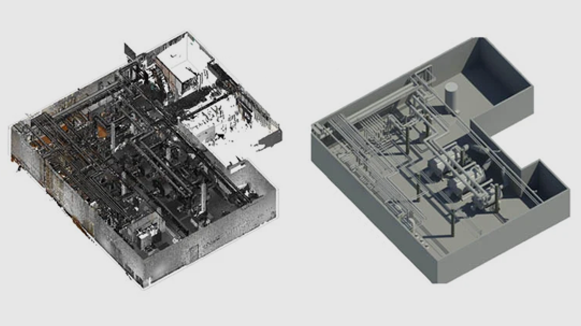
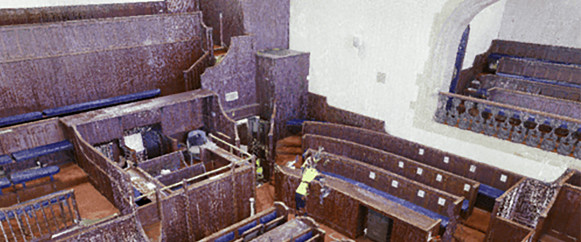
    Yes, and they are particularly valuable in this context. When combined with accurate as-built survey data, typically captured via 3D laser scanning, a structural BIM model allows engineers and contractors to understand exactly what they are working with before any intrusive investigation begins. This is especially important in older buildings where original drawings may be inaccurate or incomplete, and where structural interventions need to be carefully planned around existing conditions.

  • Can structural BIM modelling help with building safety compliance?

    Yes. Accurate structural models support compliance with UK building regulations and, increasingly, the requirements of the Building Safety Act, particularly on higher-risk buildings where a robust golden thread of structural information is expected throughout the building's lifecycle. Having a coordinated, data-rich structural model from the outset means that safety-critical information is captured, traceable, and available for inspection or handover without relying on disparate drawing sets or manual records.

Top