
Logo

MEP BIM modelling services Precision engineering for complex building systems

Mechanical, electrical, and plumbing systems are the most complex and coordination-intensive elements of any building project. AJ Digital's MEP BIM modelling services deliver accurate, intelligent Revit models of building services that support clash-free design coordination and efficient installation.

Get in touch today for a free consultation


Expert MEP coordination: How we deliver clash-free building services

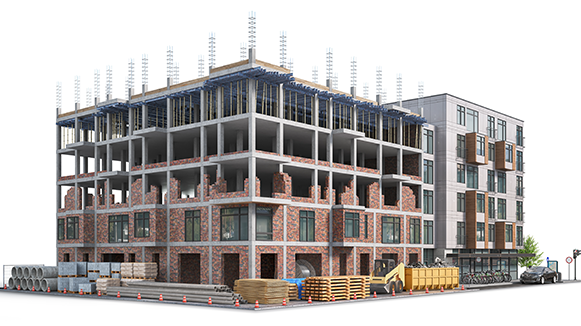
Building services coordination failures are one of the leading causes of delays and rework on construction projects. As part of our comprehensive 3D modelling services, AJ Digital creates detailed MEP BIM models that integrate seamlessly with architectural and structural designs, enabling early identification of spatial conflicts and coordination issues. 

What is MEP BIM modelling?

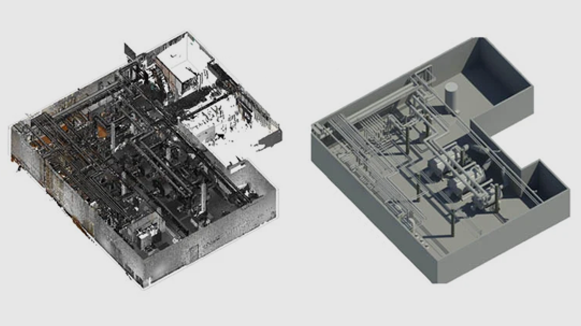
MEP BIM modelling is the process of creating detailed, intelligent 3D models of a building's mechanical, electrical, and plumbing systems using Autodesk Revit. Unlike traditional 2D MEP drawings, these models contain spatial information about every duct, pipe, cable tray, and piece of equipment, along with crucial data about sizes, specifications, and connections. 

The result is a coordinated digital representation that supports clash detection, fabrication workflows, and accurate installation on site, while also providing valuable asset information for facilities management.

Why MEP BIM modelling matters

Mechanical, electrical, and plumbing systems must share limited ceiling and riser space, often competing for the same routes through a building. Traditional 2D drawings make it nearly impossible to visualise these spatial conflicts until installation begins, leading to expensive rework and delays. 

Our MEP BIM modelling services solve this challenge by creating accurate 3D representations that reveal every conflict before fabrication starts. This means contractors can coordinate systems effectively, prefabricate components with confidence, and install building services right the first time.

Our MEP BIM modelling process

We work closely with your MEP contractors and design consultants to create detailed Revit models based on design drawings, specifications, and coordination requirements. Our team models all mechanical systems including HVAC ductwork and equipment, electrical systems including cable trays, conduit, and distribution boards, and plumbing systems including pipework, drainage, and fixtures. Each element is modelled with accurate sizes, routing, and clearances to ensure constructability.

Throughout the modelling process, we perform continuous coordination checks and clash detection, identifying conflicts not just between MEP systems but also with architectural and structural elements. 

We deliver models that are ready for fabrication, complete with connection details, material specifications, and the level of detail contractors need for confident installation. All MEP BIM modelling work is fully compliant with UK BIM standards and can be integrated into your Common Data Environment for collaborative working.

The key benefits of MEP BIM modelling

Eliminate on-site clashes

3D models provide a clear and comprehensive understanding of the project, allowing for better-informed design decisions and more efficient planning.

Support prefabrication workflows

Accurate models with detailed connection information enable off-site fabrication, reducing installation time and improving quality control.

Improve facilities management

Intelligent models enriched with equipment data, maintenance requirements, and warranty information become powerful tools for building operation and lifecycle management.

Why choose AJ Digital for MEP BIM modelling?

Our team includes experienced MEP BIM modellers who understand both the technical requirements of building services and the practical realities of installation. We do not just create pretty 3D models. We deliver coordinated, constructible MEP BIM models that contractors can actually use for fabrication and installation, saving time and reducing risk on your project.

Deep MEP systems knowledge: Our modellers understand ductwork sizing, electrical load calculations, and plumbing design principles, not just Revit software.

Coordination-focused approach: We model with installation in mind, considering access requirements, maintenance clearances, and logical installation sequences.

Contractor-ready deliverables: Models include the connection details, material specifications, and fabrication information that MEP contractors need for efficient installation.

Flexible engagement models: We can work as part of your design team, support MEP contractors directly, or provide independent coordination services for main contractors.

  • What does MEP stand for in BIM?

    MEP stands for mechanical, electrical, and plumbing. In the context of BIM, it refers to the modelling of a building's core engineering systems, including HVAC ductwork, electrical distribution, cable trays, pipework, and drainage, within a shared 3D environment. These systems are modelled alongside the architectural and structural elements of a building so that spatial conflicts can be identified and resolved before construction begins.

  • Why are MEP systems particularly prone to clashes on construction projects?

    Mechanical, electrical, and plumbing systems all compete for the same limited space within a building's ceilings, walls, and risers. When each discipline works from separate 2D drawings, clashes between systems often go undetected until installation is underway, at which point resolving them is costly and time-consuming. MEP BIM modelling brings all systems into a single coordinated 3D model, making spatial conflicts visible and solvable at the design stage.

  • Can MEP BIM models be used beyond the construction phase?

    Yes. An MEP BIM model retains its value well beyond handover. When enriched with equipment data, maintenance schedules, and warranty information, it becomes a powerful tool for facilities management, helping building owners locate assets, plan maintenance, and manage system upgrades throughout the building's operational life.

  • What is the difference between MEP modelling and MEP coordination?

    MEP modelling is the process of creating detailed 3D representations of a building's mechanical, electrical, and plumbing systems in Revit. MEP coordination is the broader process of checking those models against each other and against architectural and structural elements to identify and resolve clashes. The two typically go hand in hand, a well-produced MEP model is the foundation for effective coordination.

  • Is MEP BIM modelling only suitable for large or complex projects?

    While MEP BIM is particularly valuable on large or technically complex buildings, it offers meaningful benefits on projects of all sizes. Even on smaller schemes, early clash detection and accurate as-built documentation can prevent costly surprises on site and support more efficient handover to building operators.

Top